Short and honest first: the Bremer Haus is lovely, narrow and, unfortunately, an easy target at three or four spots. Anyone who owns or rents one should secure the basement window, the old front door and the garden access first, in exactly that order. In my experience these three weak points explain most break-ins in the classic Bremer-Haus quarters. Everything else comes after.
I am an appraiser for locking technology and I have spent years inspecting doors and windows in Bremen terraced houses, from Findorff through the Neustadt to Walle. The Bremer Haus is no accidental build. It follows a pattern, and that pattern has typical weaknesses that repeat at almost every corner. That is exactly what I use in a consultation, and exactly what I explain to you here.
What makes the Bremer Haus so special (and so vulnerable)
The classic Bremer Haus was built roughly between 1870 and 1930. Narrow, usually just one window plus a door wide, one or two full storeys, below them a basement rising half out of the ground, and up top often a converted attic. A small front garden by the door, a long narrow garden at the back. Many houses share side or rear passages that lead into the back gardens.
This layout brings three structural quirks that are practically an invitation for burglars:
- The basement sits low, its windows often at knee height right by the pavement or in a light well. One lever is enough.
- The original front door is a solid-wood showpiece, but in lock terms it comes from an age without burglary protection. A simple bolt, a soft cylinder, done.
- The rear garden is reachable via the shared passages without anyone on the street seeing a thing. Once someone is round the back, they work undisturbed.
This is not doom-mongering. It is the physics of everyday life. And the good news: precisely because the pattern is so clear, it can be defused with a plan.
The basement window: number one
When I enter a Bremer Haus, I go down to the cellar first. Almost always I find single-glazed or old double-glazed windows with roller cams that lever out with a screwdriver in seconds. The location makes it worse: nobody looks into the basement, the windows sit in the shade of the front garden or in the light well.
What helps is not rocket science. Lockable window handles are the minimum, but on their own they barely slow a practised pryer. The real lever is the fitting side: mushroom-cam bolts that grip sturdy strike plates, plus an upgrade to resistance class RC 2. For light wells I also recommend a bolted grille or a lockable cover. It is unspectacular and it works.
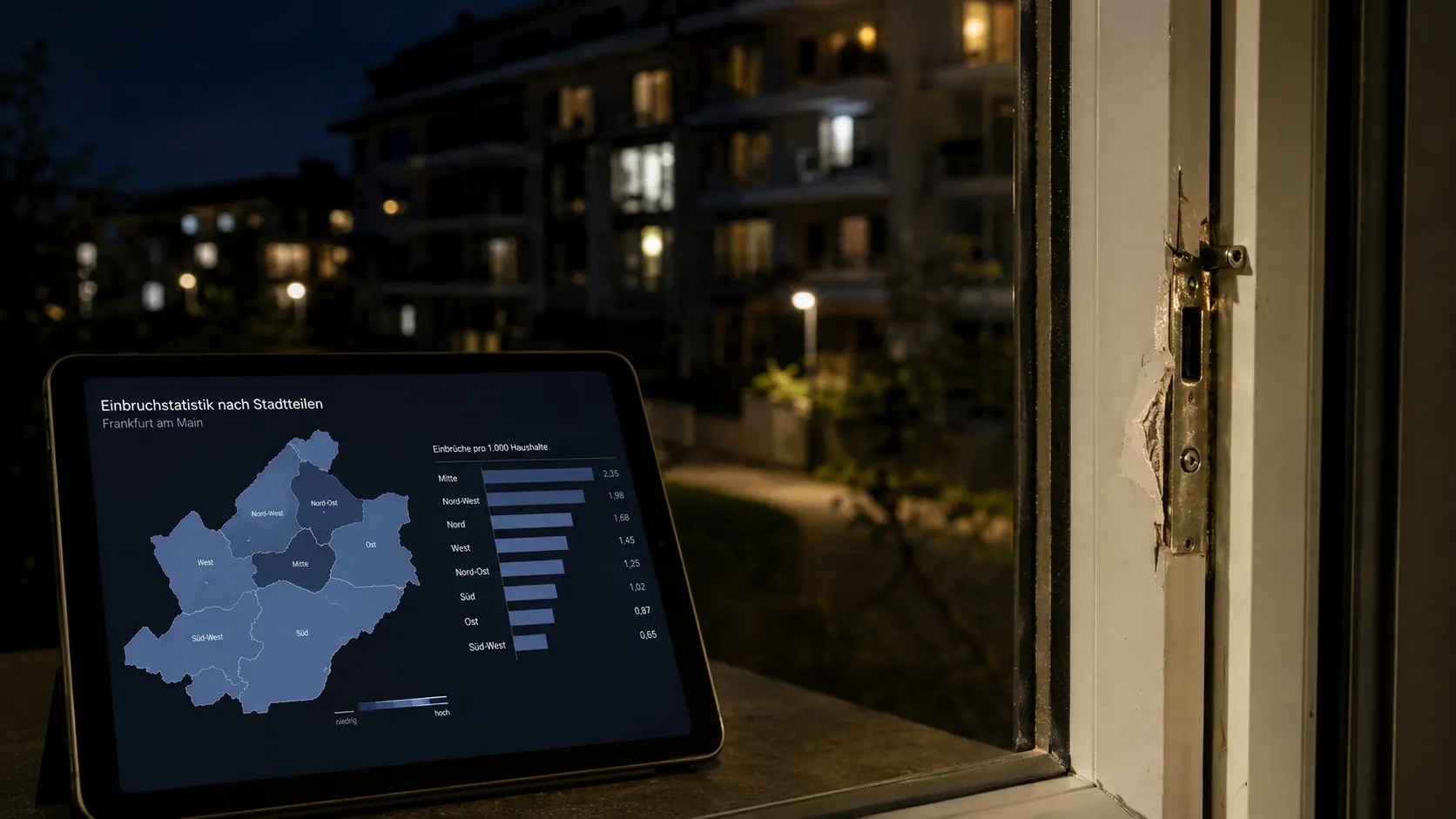
If a window has already been levered and the frame took damage, it pays to look at the whole closure rather than just the pane. Professional burglary protection starts precisely at that fitting side, not at the glass. The glass is rarely the problem, the fitting almost always is.
A scene from Findorff
Last autumn I visited a family in Findorff, just behind Hemmstrasse. Twice within a year they had a break-in attempt at the cellar window, both times the offenders got stuck on a jamming old fitting and gave up. Pure luck. We then upgraded the two basement windows to mushroom cams and fitted the light well with a bolted grate. Cost for both windows around 600 to 900 euros. Quiet ever since. The point is: on the third try that old luck would not have held.
The old front door: beautiful, but yesterday in lock terms
The original doors of the Bremer Haus are often worthy of listing, and nobody wants to rip them out. Nor do you have to. But the cylinder and the lock behind it almost always need renewing.
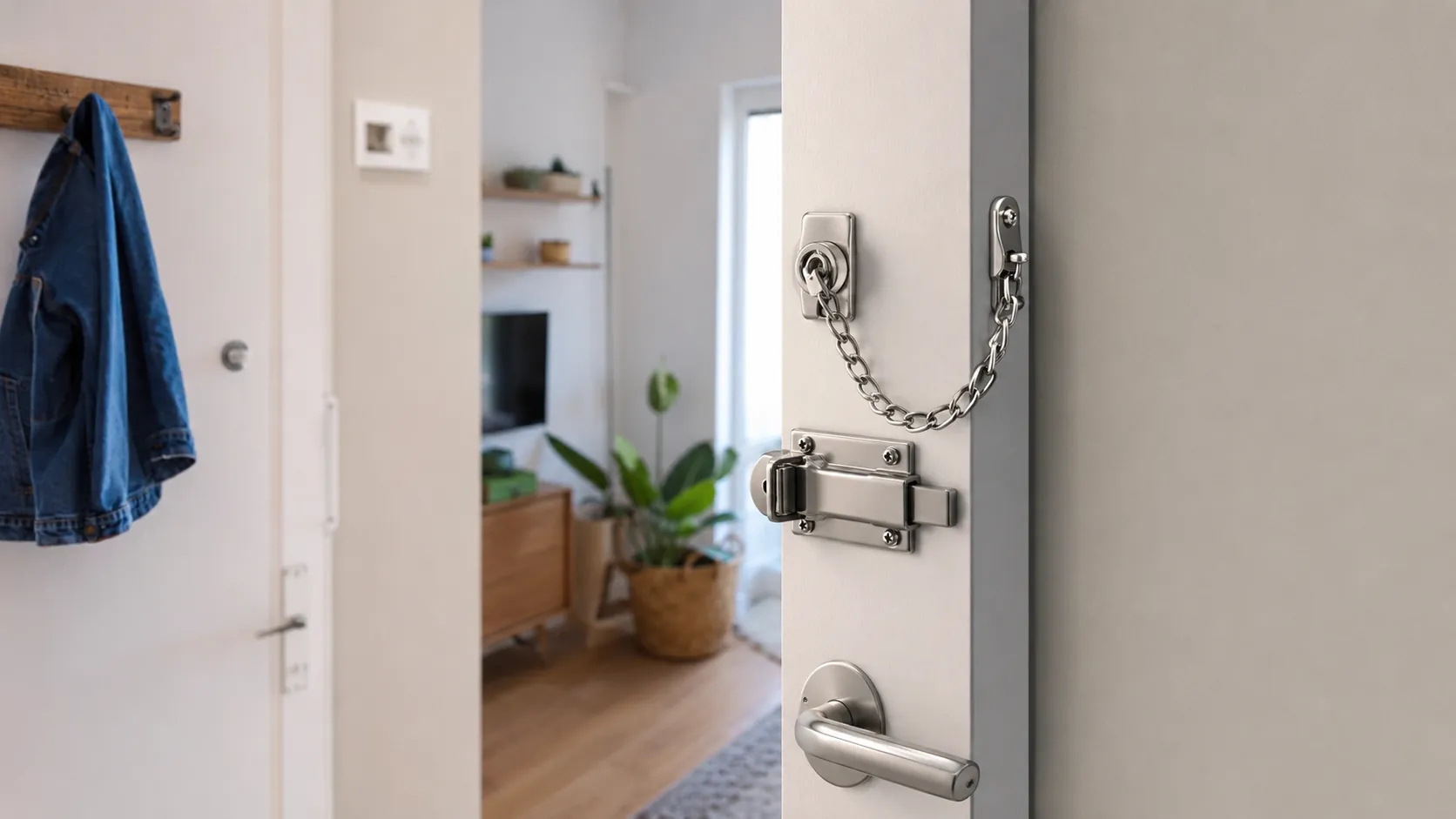
Many of these doors still have a simple mortise lock with a latch and a bolt, plus a cylinder without any anti-drill or anti-pull protection. An anti-drill cylinder with a pull-resistant escutcheon is the single most important improvement here. Replacing the locking cylinder does not change the look of the door, but it lifts the protection level noticeably. Anyone with several doors in the house, to the flat, the cellar and the garden, should consider a locking system with a single key, which spares you a keyring the size of a fist.
If the cylinder is not enough because the whole lock is worn out, the route is a lock replacement with a multi-point mechanism. This locks the door at several points at once, top, middle, bottom. That is exactly what the classic Bremer-Haus door lacks, and exactly what decides whether a prying attempt is abandoned after ten seconds.
My position, plainly: do not skimp on the cylinder. The twelve-euro hardware-store cylinder is pulled with a tool in under a minute. A good cylinder with an emergency function costs several times as much and is worth every cent on any Bremen front door.
The garden access: the underrated rear
What many owners forget: the front may be nicely lit and visible, the rear almost never is. Via the shared passages and the low garden gates you reach the patio door or the rear kitchen window unseen. And those doors are often the weakest in the whole house.
A combination helps here: a sturdy, lockable garden gate at the end of the passage, motion lighting on the rear facade, and on the actual patio or balcony door the same mushroom-cam upgrade as in the cellar. Anyone fitting a fence or a gate afterwards should look for concealed hinges so the door cannot simply be lifted off.
Locked out and in a hurry?
Price quoted up front, vetted partner business, ~22 minutes on site.
What it costs, realistically
So you have some orientation, without me promising you anything. Prices vary with condition, access and make.
| Measure | Realistic range |
|---|---|
| Anti-drill cylinder with anti-pull, fitted | 90 to 180 euros |
| Mushroom-cam upgrade per window | 250 to 450 euros |
| Multi-point locking on the front door | 700 to 1400 euros |
| Grille or grate for a light well | 150 to 400 euros |
| On-site consultation by an appraiser | often free up to 90 euros |
For a subsidised upgrade it is worth looking at the KfW burglary-protection programmes. The basics of which technology reaches which resistance class are explained neutrally, with no sales interest, by the German police crime prevention body. It is the most honest source I know.
Where I would start first
If you have a Bremer Haus and cannot manage everything at once, then in this order: basement windows first, then the front-door cylinder and lock, then the garden access. That is the order by risk, not by visibility. A pretty new lock at the front helps little if the cellar window stands open at the back.
In the densely built quarters like the Oestliche Vorstadt there is the added factor that the houses stand wall to wall and an offender often slips across neighbouring plots. There the arrangement with the neighbours is worth almost as much as the hardware. Anyone wanting an overview of all the options will find it in our services overview.
Common questions about the Bremer Haus
May I even upgrade a listed front door? The cylinder and the lock behind it almost always, that is technology on the inside and does not change the appearance. For visible fittings or a new door, ask the heritage office in advance. This is general information, not legal advice.
Is burglary protection in a rented house worth it for me as a tenant at all? Lockable window handles and a better cylinder are often possible in agreement with the landlord and, if need be, move with you. Larger structural measures are the owner's matter.
Are the old basement windows not too small to climb through anyway? Sadly no. Many Bremen cellar windows are wider than they look, and a levered window is often enough to open the cellar door from the inside. Do not underestimate that.
How fast are you there in an emergency? If it is urgent, for instance after a break-in, you reach us via the emergency service around the clock. For everything else, appointments and questions of principle, there is our questions and answers.
My bottom line
The Bremer Haus deserves its good reputation, but its charm must not gloss over its weak points. Three spots decide almost everything: basement window, front-door cylinder, garden access. Deal cleanly with those three and you turn an easy target into an unattractive one, and that is all you want. Burglars look for the easy way. Take it away from them. If you are unsure where your house stands, have it looked at, ideally by someone who knows Bremen houses and tells you honestly what is needed and what is not.